

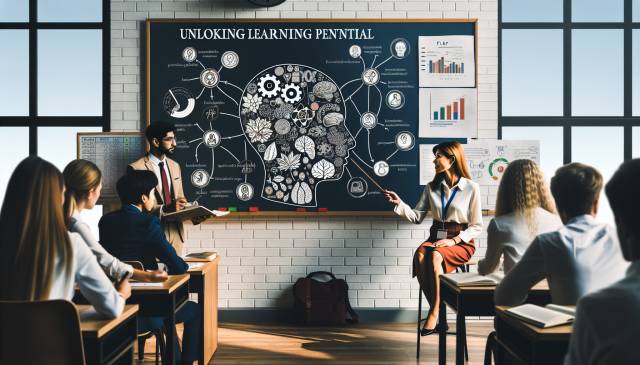
Psychology plays a crucial role in education, helping both educators and students understand the mechanisms behind learning, motivation, and behavior. As we delve deeper into the intricacies of the mind, we can leverage psychological principles to enhance the educational experience. In this post, we'll explore how psychology influences education, the benefits of psychological principles in teaching, and some essential strategies to boost learning outcomes.
Understanding the Basics of Educational Psychology
Educational psychology is the study of how people learn, including the individual differences in learning styles and the social, emotional, and cognitive processes involved in education. It combines elements from various psychological fields, including developmental psychology, cognitive psychology, and social psychology.
The Importance of Learning Theories
Several learning theories have emerged from educational psychology, each offering unique insights into how people acquire knowledge:
- Behaviorism: Focuses on observable behaviors and the ways they're learned through conditioning.
- Cognitivism: Emphasizes the role of mental processes, such as thinking and memory, in learning.
- Constructivism: Suggests that learners construct their own understanding based on experiences and reflections.
- Humanism: Highlights the importance of personal growth and self-actualization in the learning process.
How Psychology Enhances Learning
By applying psychological principles, educators can create more effective learning environments. Here are some ways psychology enhances education:
1. Understanding Motivation
Motivation is a key driver of learning. Psychology provides insights into intrinsic and extrinsic motivation, helping educators design strategies that engage students. For example:
- Offering choices in assignments can increase intrinsic motivation.
- Setting achievable goals can foster a sense of accomplishment and encourage further effort.
2. Recognizing Different Learning Styles
Every learner has a unique style of processing information. Understanding these differences can help educators tailor their teaching methods. Some common learning styles include:
- Visual: Learners who prefer to see and visualize information.
- Auditory: Learners who grasp concepts better through listening.
- Kinesthetic: Learners who need to engage in hands-on activities.
3. Creating a Positive Learning Environment
A supportive and positive classroom environment can greatly influence learning outcomes. Psychological research indicates that:
- Building relationships and rapport can increase student engagement.
- Encouraging a growth mindset can help learners overcome challenges and persist.
Implementing Psychological Strategies in the Classroom
Here are some practical strategies that educators can implement to harness the power of psychology in their teaching:
1. Incorporate Active Learning
Active learning techniques, such as group discussions, problem-solving exercises, and hands-on projects, encourage deeper engagement with the material and enhance retention.
2. Utilize Feedback Effectively
Feedback is vital in the learning process. Providing timely and constructive feedback helps students understand their progress and areas for improvement.
3. Foster a Growth Mindset
Encouraging students to view challenges as opportunities for growth can enhance resilience and persistence. Teach them that intelligence can be developed through effort and learning.
Conclusion: The Future of Education and Psychology
As we continue to explore the intersection of psychology and education, it’s essential for educators to stay informed about new research and methodologies. By understanding psychological principles, teachers can create more effective, inclusive, and engaging learning environments that empower every student to reach their full potential. Whether you are a seasoned educator or a student looking to enhance your learning experience, embracing psychology can unlock new pathways to success.