

Introduction
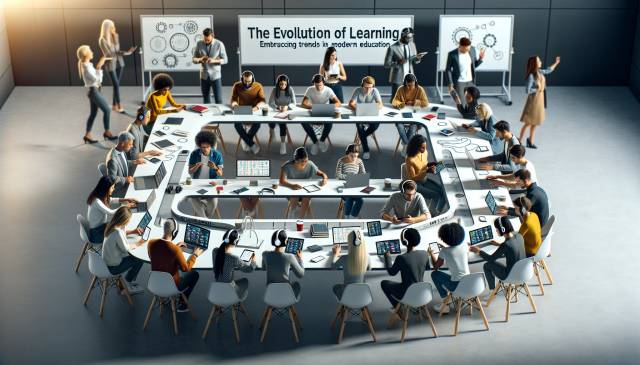
In an era defined by rapid technological advancements and shifting societal needs, education is undergoing a transformation unlike any we have seen before. Learners today are not only consumers of knowledge but also active participants in their educational journeys. This post explores some of the most significant trends in modern education that are reshaping how we learn and what we learn.
The Rise of Online Learning
One of the most noticeable trends in education is the surge of online learning. With platforms offering courses from various educational institutions, learners have unprecedented access to a wealth of knowledge. This trend is fueled by several factors:
- Flexibility: Online courses allow learners to study at their own pace and on their own schedule.
- Accessibility: Students from diverse backgrounds can access high-quality education regardless of their geographical location.
- Variety: A wide range of subjects and courses are available, catering to different interests and career paths.
Personalized Learning Experiences
Modern education is moving towards personalized learning experiences that cater to individual student needs. This approach recognizes that each learner is unique, with different strengths, weaknesses, and learning styles. Here are some key aspects of personalized learning:
- Adaptive Learning Technologies: These tools use algorithms to adjust the difficulty and type of content based on student performance.
- Student-Centered Approaches: Educators are focusing on engaging students in the learning process, encouraging them to set their own goals and pursue their interests.
- Data-Driven Insights: Teachers are leveraging data to understand student behaviors and outcomes, enabling them to tailor instruction more effectively.
Collaborative Learning Environments
Collaborative learning is gaining traction as educators recognize the value of peer interactions in the learning process. This trend is characterized by:
- Group Projects: Students work together on assignments, fostering teamwork and communication skills.
- Online Forums: Virtual spaces where learners can discuss and share ideas enhance understanding and engagement.
- Peer Feedback: Students learn to give and receive constructive criticism, which can deepen their understanding of the subject matter.
The Integration of Technology
Technology is at the forefront of education reform. The incorporation of digital tools and resources is transforming traditional classrooms into dynamic learning environments. Key technological trends include:
- Virtual and Augmented Reality: These technologies create immersive learning experiences that can transport students to different places and times.
- Gamification: Educational games and interactive activities make learning more engaging and can motivate students to achieve their goals.
- Artificial Intelligence: AI is being used to create smarter educational tools, offering personalized support and automating administrative tasks.
The Importance of Lifelong Learning
As the job market continues to evolve, the need for lifelong learning has never been more critical. Professionals are encouraged to pursue continuous education to stay relevant in their fields. This trend is reflected in:
- Micro-Credentials: Short courses that provide specific skills or knowledge, often leading to certifications.
- Workshops and Bootcamps: Intensive programs focused on practical skills that can be applied immediately in the workplace.
- Networking Opportunities: Learning is not just about acquiring knowledge; it also involves connecting with peers and industry leaders.
Conclusion
The landscape of education is changing rapidly, propelled by technology, the demand for flexibility, and an emphasis on personalized experiences. As learners, it is essential to embrace these trends and take charge of our educational journeys. Whether it’s through online courses, collaborative projects, or lifelong learning initiatives, the opportunities for growth and development are limitless. Let us continue to adapt and thrive in this exciting new era of education.