

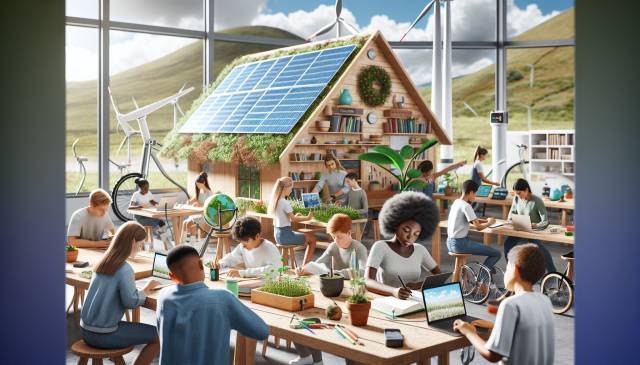
In an age where environmental challenges are at the forefront of societal concerns, education for sustainable development (ESD) has become paramount. ESD equips learners with the knowledge, skills, and attitudes necessary to contribute to sustainable communities and foster a healthy planet.
What is Education for Sustainable Development?
Education for sustainable development is a holistic approach that integrates environmental, social, and economic dimensions into the learning process. It encourages critical thinking, problem-solving, and active participation in addressing the complex issues we face today.
The Goals of ESD
The primary goals of education for sustainable development include:
- Empowering learners to make informed decisions.
- Promoting sustainable lifestyles.
- Encouraging active citizenship and community engagement.
- Fostering interdisciplinary learning.
- Instilling a sense of responsibility towards the environment.
Why is ESD Important?
As global citizens, we face numerous challenges, including climate change, resource depletion, and social inequality. Education for sustainable development plays a crucial role in:
- Raising Awareness: ESD helps students understand the interconnectedness of global issues and the impact of their choices.
- Building Skills: It equips learners with problem-solving and critical thinking skills essential for addressing sustainability challenges.
- Encouraging Innovation: ESD fosters creativity and innovation by challenging learners to develop new solutions for a sustainable future.
The Role of Educational Institutions
Educational institutions are vital in implementing ESD. They can:
- Integrate sustainability into the curriculum across all subjects.
- Promote hands-on learning experiences, such as community projects and environmental initiatives.
- Collaborate with local organizations to provide real-world learning opportunities.
- Encourage a culture of sustainability within the institution itself.
How Can Learners Engage with ESD?
As a learner, there are numerous ways to engage with education for sustainable development:
- Participate in Courses: Seek out courses focused on sustainability, environmental science, and social justice.
- Join Clubs and Organizations: Get involved in environmental or community service clubs that promote sustainable practices.
- Volunteer: Participate in local initiatives that focus on conservation, recycling, and community development.
- Stay Informed: Follow relevant news and research to stay updated on sustainability issues and solutions.
Resources for Learning
Many institutions offer online courses and resources dedicated to sustainable development. Consider exploring:
- Online platforms that provide access to courses from various universities.
- Webinars and workshops focused on sustainability themes.
- Documentaries and podcasts that discuss critical environmental issues.
Conclusion
Education for sustainable development is essential for shaping informed, responsible citizens who are ready to tackle the pressing challenges of our time. By engaging with ESD, learners can not only enhance their own knowledge and skills but also contribute to a more sustainable future for all. It is time to embrace education as a powerful tool for change and begin our journey towards a sustainable world.