

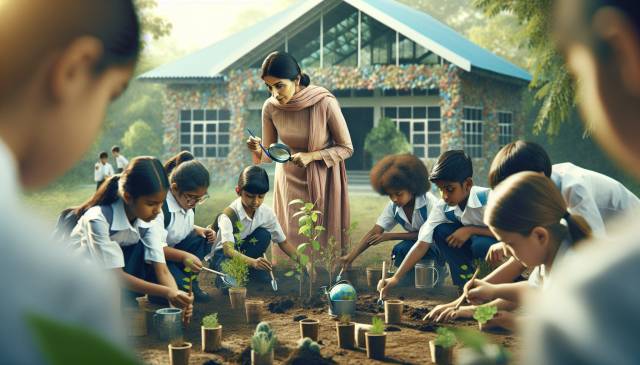
In an ever-evolving world facing climate change, social inequalities, and economic challenges, the call for education for sustainable development (ESD) has never been more pressing. ESD emphasizes the importance of equipping learners with the knowledge, skills, and values necessary to create a sustainable future. By integrating sustainability into various educational disciplines, we can empower future generations to tackle complex global issues head-on.
Understanding Education for Sustainable Development
Education for sustainable development is not merely a subject; it is a holistic approach that encourages learners to think critically about their roles in society and the environment. Here are some core principles of ESD:
- Holistic Learning: ESD encompasses environmental, social, and economic dimensions, encouraging an interdisciplinary approach.
- Critical Thinking: Learners are encouraged to analyze problems, seek solutions, and make informed decisions.
- Active Participation: ESD promotes engagement and collaboration among students, educators, and communities.
- Global Citizenship: ESD helps learners understand their global impact and responsibilities.
The Role of Educational Institutions
Educational institutions play a pivotal role in advancing ESD. By incorporating sustainability into their curricula and operational practices, they can lead by example. Here are some ways institutions can foster ESD:
- Curriculum Development: Integrate sustainability topics across various subjects, from science to arts.
- Experiential Learning: Encourage hands-on projects, field trips, and community service that relate to sustainability.
- Professional Development: Provide training for educators on the principles and practices of ESD.
- Campus Initiatives: Implement sustainable practices on campus, such as recycling programs and energy-efficient systems.
Case Studies of Successful ESD Implementation
Several institutions worldwide have successfully integrated ESD into their frameworks. Here are a few notable examples:
- University of Edinburgh: This institution has embedded sustainability into its strategic plan, offering numerous courses focused on climate change and sustainability.
- Earth University, Costa Rica: This university focuses on sustainable agriculture and community development, preparing students to tackle local and global challenges.
- Yale University: Yale's School of the Environment offers programs that emphasize environmental policy and management, fostering future leaders in sustainability.
Getting Involved: How Learners Can Contribute
As a learner, you can take active steps to engage with ESD. Here are some actionable ways to contribute:
- Join Sustainability Clubs: Participate in or start a club focused on environmental initiatives at your school or community.
- Volunteer: Engage in local sustainability projects, such as tree planting or community clean-ups.
- Advocate: Raise awareness about sustainability issues within your school and community.
- Stay Informed: Keep up with the latest research and developments in sustainability practices through online courses or workshops.
The Future of Education and Sustainability
As we look to the future, it is clear that education for sustainable development is essential for fostering a generation of informed, responsible citizens. By prioritizing ESD in our learning environments, we can cultivate a culture of sustainability that transcends borders and empowers individuals to make a difference.
In conclusion, education for sustainable development is not just an academic endeavor; it is a vital pathway toward a sustainable future. By embracing ESD, we can equip ourselves and future generations with the tools necessary to create lasting change. Let us work together to make sustainability a core principle of education, ensuring a healthier planet for all.